The Lucinda series was inspired by the 18th and 19th century trope in literature of the fallen woman or lone woman surviving adversity: From DeFoe’s worldly heroines, Roxana and Moll Flanders, who exchange their virtue for wealth; to Richardson’s, Clarissa, who battles the ‘serpent in silk’ Robert Lovelace to preserve her virtue and Jane Eyre, who remains independent and true to herself despite poverty and romantic temptation. Lucinda stands in the tradition of the independent heroine surviving on her own terms despite limited choices. She falls just short of the ultimate tragic fate of women such as Hetty Sorrel in George Eliot’s Adam Bede, who is seduced and left abandoned to give birth alone then sentenced to penal servitude for the death of her baby.
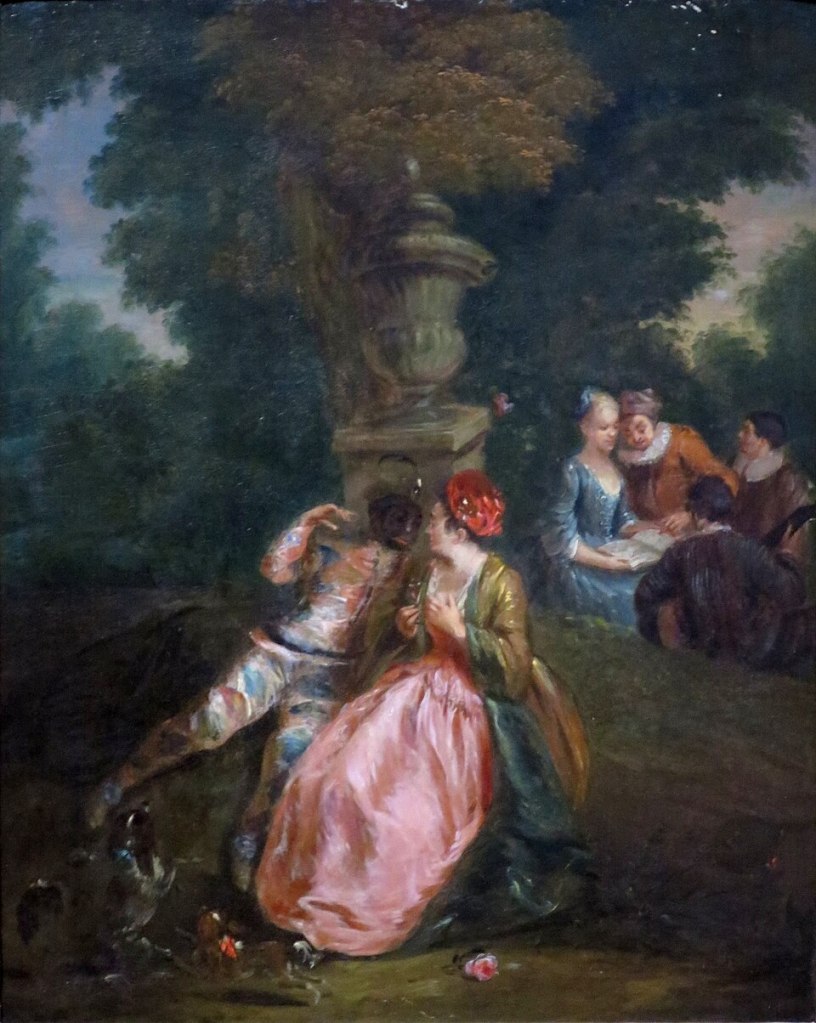
Gothic elements such as deceit, the illusions masking polite society, and class exploitation haunt the periphery of the narrative in works such a Jane Eyre and Hardy’s Tess of the D’Urbervilles. Similarly, the Lucinda series exposes the seedier, more lurid elements of 18th and 19th Century society. The first novel portrays Vauxhall Pleasure Gardens, where the polite mask of society is ripped away to expose real darkness and oppression holding up the enchanting edifice. The book reflects the extremes under which the lower classes were forced to live. The experiences of poverty and insecurity act upon the characters personalities. Although Lucinda pines for respectability, each step along her path shows a door closing and her choices become ever more limited. Lucinda’s male counterpart in the series, William, is also unable to retain his footing in respectable society due to the mistreatment and lack of accountability of the powerful to their social inferiors. The web of circumstance under which William lives means he is forced into the life of an outlaw, living on his wits.
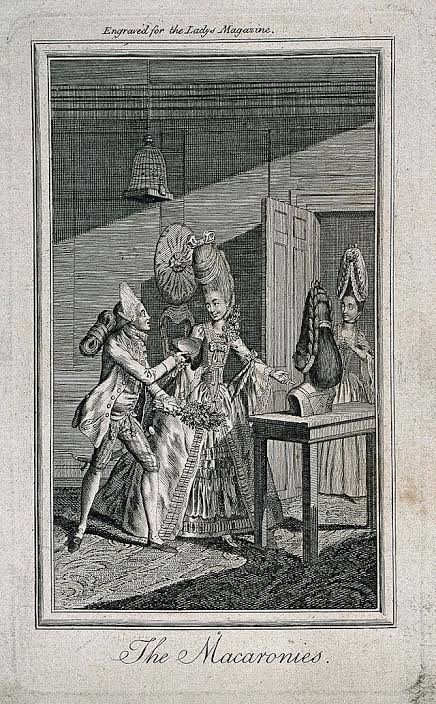
Add to this cauldron of influences the complexity of illness and disability, which is often sidelined in literature. From the ‘woman in the attic’, the trope of insipid invalid friend of the protagonist, to the tubercular beauties of Victorian times, disabled women are portrayed as lacking aspiration, desire and prospects.


Leave a Reply